
Introduction
Knee pain is one of the most common orthopedic problems affecting people of all ages. Whether you’re a young athlete, a working professional, or a senior citizen, pain while walking can interfere with your daily routine and reduce your quality of life.
Many people ignore mild knee pain until it becomes severe. Early diagnosis and proper treatment can prevent long-term damage and help you return to an active lifestyle.
In this guide, we’ll explain the common causes of knee pain while walking, symptoms to watch for, treatment options, and when you should consult an orthopedic specialist.
Why Does Knee Pain Occur?
The knee is one of the largest and most complex joints in the human body. It supports your body weight every time you stand, walk, climb stairs, or run.
Pain can develop due to:
- Age-related wear and tear
- Sports injuries
- Arthritis
- Ligament injuries
- Cartilage damage
- Muscle weakness
- Obesity
- Incorrect walking posture
Common Causes of Knee Pain While Walking
1. Osteoarthritis
Osteoarthritis is the most common cause of knee pain, especially in adults over 50. The protective cartilage gradually wears away, causing pain, stiffness, and swelling.
Common symptoms include:
- Morning stiffness
- Pain after walking
- Difficulty climbing stairs
- Grinding or cracking sounds
2. Ligament Injuries
The ACL, PCL, MCL, and LCL ligaments stabilize the knee. Sports injuries or accidents can tear these ligaments.
Symptoms include:
- Sudden pain
- Swelling
- Knee instability
- Difficulty walking
3. Meniscus Tear
The meniscus acts as a cushion between the thigh bone and shin bone.
A tear may occur due to twisting movements, sports injuries, or aging.
Symptoms:
- Locking of the knee
- Swelling
- Pain while bending
- Clicking sensation
4. Patellofemoral Pain Syndrome
Often called “Runner’s Knee,” this condition causes pain around the kneecap.
It commonly affects:
- Runners
- Cyclists
- Young adults
- People who climb stairs frequently
5. Tendon Inflammation
Inflammation of the tendons can occur due to overuse, repetitive movements, or sports activities.
Symptoms:
- Pain below the kneecap
- Tenderness
- Swelling
- Pain while jumping or climbing
6. Obesity
Excess body weight increases pressure on the knee joints. Even a small reduction in weight can significantly decrease knee stress.
Warning Signs You Should Not Ignore
Consult an orthopedic doctor immediately if you experience:
- Severe pain while walking
- Knee swelling
- Inability to bear weight
- Knee locking
- Knee giving way
- Redness or warmth around the joint
- Fever with joint pain
- Pain lasting more than one week
How Doctors Diagnose Knee Pain
Your orthopedic specialist may recommend:
- Physical examination
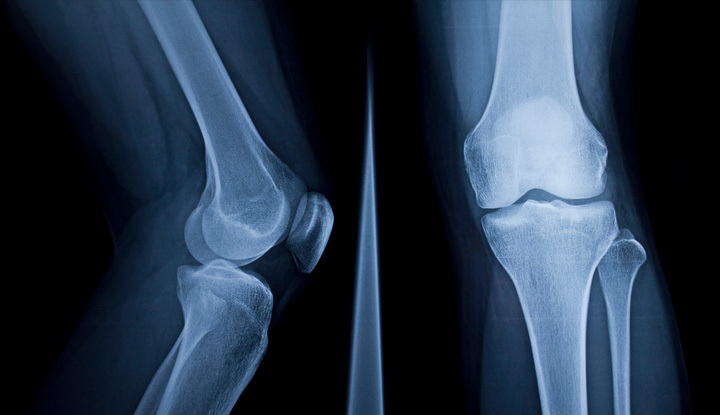
- Digital X-ray
- MRI scan
- Blood tests (if infection or arthritis is suspected)
- Joint fluid analysis (in selected cases)
Early diagnosis often leads to simpler and more effective treatment.
Treatment Options
Treatment depends on the underlying cause.
Conservative Treatments
- Rest
- Ice therapy
- Compression bandage
- Elevation
- Pain-relief medications (only as prescribed)
- Physiotherapy
- Weight management
- Knee strengthening exercises
Advanced Treatments
For persistent pain, your doctor may recommend:
- Joint injections (when appropriate)
- Arthroscopic (keyhole) surgery
- Ligament reconstruction
- Meniscus repair
- Partial or total knee replacement surgery
The right treatment depends on your condition, age, activity level, and overall health.
Exercises That May Help
Simple exercises, when recommended by a healthcare professional, can improve knee strength:
- Straight leg raises
- Quadriceps strengthening
- Hamstring stretches
- Heel slides
- Stationary cycling (if advised)
Avoid exercises that increase your pain.
Tips to Prevent Knee Pain
- Maintain a healthy weight
- Wear supportive footwear
- Warm up before exercise
- Strengthen your leg muscles
- Avoid sudden twisting movements
- Stay physically active
- Treat minor injuries early
Frequently Asked Questions
Can knee pain go away on its own?
Minor injuries may improve with rest, but persistent or worsening pain should be evaluated by an orthopedic specialist.
When should I see a doctor?
If pain lasts more than a week, limits your daily activities, or is associated with swelling, instability, or inability to bear weight, seek medical advice promptly.
Is knee replacement the only treatment?
No. Many people improve with medication, physiotherapy, lifestyle changes, or minimally invasive procedures. Knee replacement is usually considered only when other treatments are no longer effective.
Can young people get knee pain?
Yes. Sports injuries, ligament tears, overuse, and muscle imbalances commonly cause knee pain in younger adults.
Why Choose Sakthi Ortho Multispeciality Hospital?
At Sakthi Ortho Multispeciality Hospital, Kallakurichi, our orthopedic team provides comprehensive evaluation and treatment for knee pain, sports injuries, fractures, arthritis, and joint disorders.
We focus on:
- Accurate diagnosis
- Personalized treatment plans
- Modern diagnostic facilities
- Physiotherapy and rehabilitation
- Advanced orthopedic procedures when needed
Conclusion
Knee pain while walking should never be ignored. Early diagnosis and appropriate treatment can relieve pain, restore mobility, and help prevent long-term joint damage. If your symptoms persist or worsen, consult a qualified orthopedic specialist for a proper evaluation.

